Germany Grants Full Recognition to Somali Diplomatic Passports in Landmark Shift
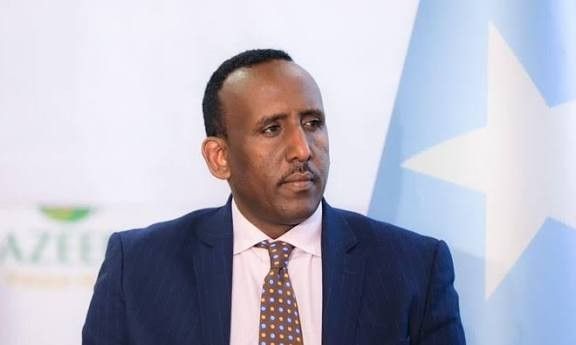
Until now, Somali diplomatic passports were often verified only at departure points in Somalia, with holders still facing cumbersome procedures upon arrival in Germany. The new policy aligns German practice with international conventions and integrates Somali diplomatic passports directly into Germany’s border-control and immigration systems.
Germany has formally granted full recognition to Somali diplomatic passports, a major upgrade that removes long-standing travel barriers for Somali officials and signals deepening trust between the two governments.
The decision, announced on December 3 by the German Federal Police and the Federal Ministry of the Interior, means Somali diplomatic passport holders including senior government officials, accredited diplomats, and eligible dependents can now enter Germany without the previous layers of scrutiny or mandatory visa requirements. Their documents will be processed with the same privileges and immunities afforded to other globally recognized diplomatic passports.
Until now, Somali diplomatic passports were often verified only at departure points in Somalia, with holders still facing cumbersome procedures upon arrival in Germany. The new policy aligns German practice with international conventions and integrates Somali diplomatic passports directly into Germany’s border-control and immigration systems.
German authorities described the move as “a demonstration of the advancement of travel documentation, travel services, and the strengthening of diplomatic relations between Somalia and Germany.” The update is already in effect, with internal guidelines for border and immigration officials reportedly revised.
The recognition marks a symbolic and practical milestone for Somalia. For years, Somali travel documents suffered from limited global acceptance due to concerns over security and institutional capacity. Germany, a leading EU member state and a major supporter of Somalia’s stabilization and governance reforms, is now offering one of the clearest endorsements yet of Somalia’s progress in modernizing its state systems.
Beyond easing travel, the shift represents a diplomatic vote of confidence. It normalizes the treatment of Somali diplomats, reinforces Somalia’s sovereign standing, and is expected to enhance bilateral cooperation across political, development, and security sectors. The decision may also set a precedent for other EU countries reviewing their own policies toward Somali travel documents.
With this recognition, Germany signals that Somalia is entering a new era defined not by past isolation but by reintegration, institutional maturity, and strengthened international partnerships.