UN Security Council Extends AUSSOM Mandate in Somalia Amid Funding Challenges
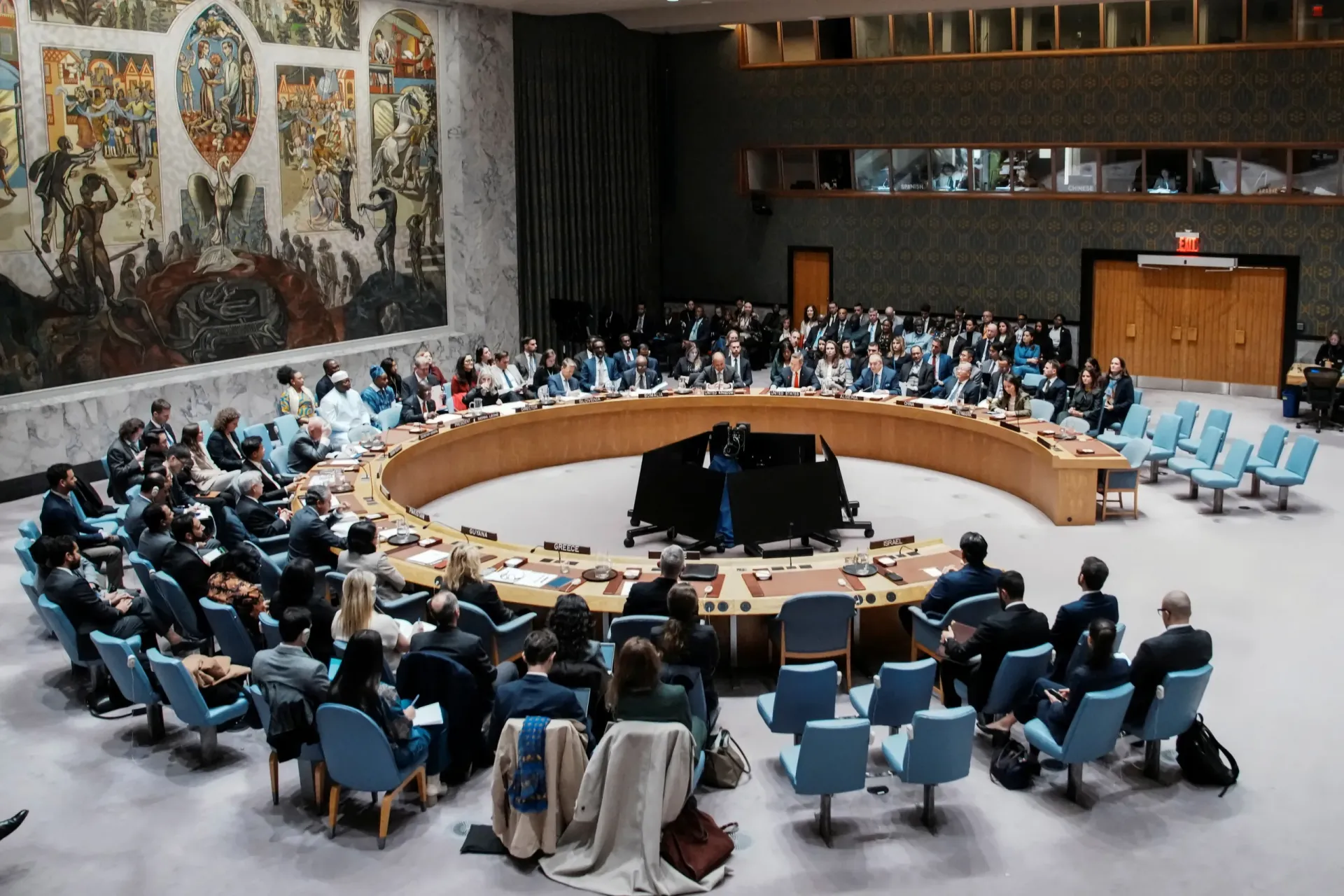
The UN Security Council has extended AUSSOM’s mandate in Somalia to 31 December 2026, urging stronger financial support as funding gaps threaten gains against Al-Shabaab and broader stabilisation efforts.
The United Nations Security Council has adopted a key resolution extending the mandate of the African Union Support and Stabilisation Mission in Somalia (AUSSOM) for an additional year, renewing the operation until December 31, 2026, as concerns persist over Somalia’s fragile security environment and the mission’s financial sustainability.
During a formal session in New York focused on Somalia’s security situation, Council members voted to extend AUSSOM’s mandate, which had been set to expire at the end of December 2025. The resolution also called for enhanced international financial support to ensure the mission can effectively carry out its core responsibilities.
Those responsibilities include supporting Somali security forces, stabilizing liberated areas, and combating terrorist groups, particularly Al-Shabaab, which continues to pose a serious threat to national and regional security.
The decision was taken by the 15-member UN Security Council, with strong backing from international partners. The move comes as the African Union and troop-contributing countries have raised repeated alarms about funding shortfalls affecting AUSSOM’s operational capacity.
AUSSOM leadership swiftly welcomed the decision. In an official statement, the mission described the extension as a reaffirmation of the international community’s commitment to peace, stability, and security in Somalia.
“AUSSOM welcomes the unanimous decision of the UN Security Council to renew the Mission’s mandate until 31 December 2026. This decision once again underscores the global commitment to Somalia’s peace and stability,” the statement said.
AUSSOM replaced the long-running African Union Mission in Somalia (AMISOM) as part of a broader transition aimed at aligning international support with Somalia’s state-building and security reform agenda. However, since the transition, the mission has struggled with serious financial constraints, directly impacting troop allowances, logistics, and operational morale.
Security analysts warn that prolonged funding gaps could undermine hard-won gains against militant groups and weaken coordination with Somali security institutions at a time when the country faces complex political transitions and persistent insurgent threats.
AUSSOM reaffirmed its commitment to fully implementing the renewed mandate and intensifying efforts to stabilize Somalia and eliminate terrorist threats that endanger the Horn of Africa.
“AUSSOM is fully committed to implementing this renewed mandate in the interest of Somalia and the wider region,” the mission added.
The mandate extension comes amid growing international debate over how long external forces should remain in Somalia and how responsibility should gradually shift to Somali-led security institutions. While the renewal provides short-term certainty, long-term success will depend heavily on sustainable financing, political consensus, and continued reform within Somalia’s security sector.
The UN Security Council’s decision buys AUSSOM critical time—but not a solution to its underlying challenges. Without reliable funding and sustained political backing, the mission’s ability to stabilize Somalia could be tested. For now, the extension signals that the international community is not ready to step away, even as questions about the future shape of security assistance in Somalia remain unresolved.