Turkey–UAE Call on Somalia, Yemen: What You Need to Know
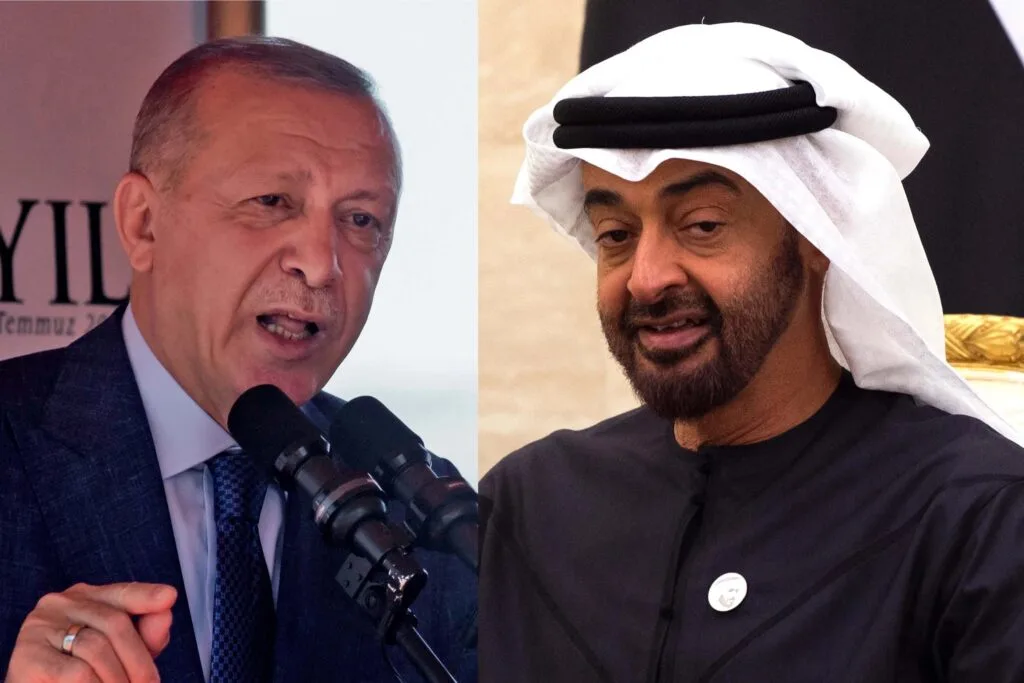
Turkish President Erdoğan and UAE President Sheikh Mohammed bin Zayed discussed Somalia and Yemen in a high-level call, reaffirming support for sovereignty and regional stability amid ongoing conflicts.
Turkish President Recep Tayyip Erdoğan and United Arab Emirates President Sheikh Mohammed bin Zayed Al Nahyan held a high-level telephone conversation this week, focusing on regional stability, with particular emphasis on the political and security situations in Somalia and Yemen, according to official readouts from both governments.
During the call, the two leaders reiterated their commitment to the sovereignty, territorial integrity, and national unity of both countries, which have endured years of conflict, institutional fragility, and external interference. The discussion also addressed broader regional and global developments amid heightened geopolitical tensions across the Middle East and the Horn of Africa.
President Erdoğan stated that Turkey is prepared to continue playing an active role in initiatives aimed at restoring stability and long-term peace in the region. Turkey has maintained a substantial presence in Somalia since 2011, spanning humanitarian relief, infrastructure development, diplomatic engagement, and security cooperation, including military training for Somali forces. Ankara has also consistently called for a political settlement to the war in Yemen, positioning itself as a supporter of dialogue and regional de-escalation.
Sheikh Mohammed bin Zayed, meanwhile, emphasized that the United Arab Emirates remains committed to preserving Somalia’s unity and national cohesion, stressing the importance of preventing any actions that could threaten the country’s land and maritime sovereignty. He underscored that a stable Somalia is critical not only for its citizens but also for regional security and international maritime trade, particularly along the Red Sea and Gulf of Aden corridors.
The exchange comes at a sensitive moment. Yemen continues to experience sporadic but intense fighting, despite ongoing diplomatic efforts to revive a comprehensive peace process. At the same time, Somalia faces persistent security challenges from militant groups, alongside growing international competition over influence in the Horn of Africa.
Claims circulating in some media that Israel has recognized Somaliland as an independent state are inaccurate. Somaliland remains internationally recognized as part of Somalia, a position upheld by the United Nations, the African Union, and the broader international community.
The conversation also reflects the continued normalization and strategic alignment between Turkey and the UAE, following years of political rivalry. Since restoring ties, both countries have expanded cooperation in diplomacy, trade, and regional security.
Analysts say the renewed coordination between Ankara and Abu Dhabi on Somalia and Yemen signals a pragmatic convergence of interests, with both sides seeking to limit instability in strategically vital regions. Whether this cooperation translates into tangible progress on the ground, however, will depend on sustained diplomatic engagement and alignment with internationally recognized peace frameworks.