Somali community in Minnesota faces anxiety after Trump remarks, TPS suspension
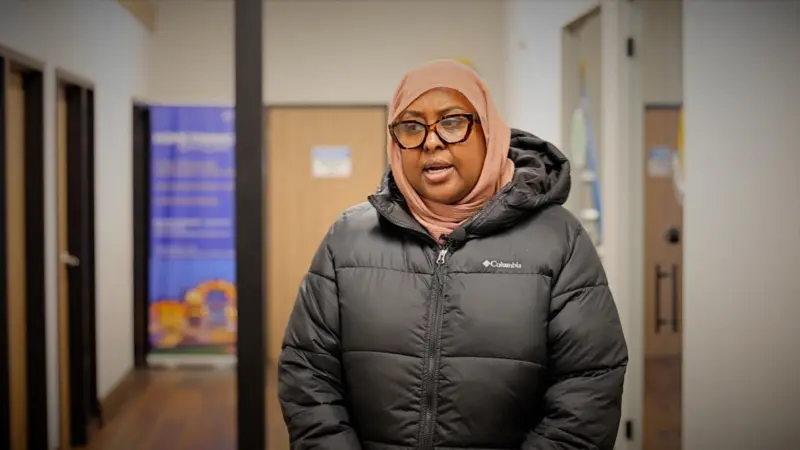
The Somali community in Minnesota is facing heightened fear and uncertainty following controversial remarks by U.S. President Donald Trump and the suspension of Temporary Protected Status for Somali nationals. Increased ICE activity near mosques, schools, and residential areas has intensified anxiety, particularly among families with vulnerable children.
New policy decisions announced by the White House have had an immediate and profound impact on the Somali community in Minnesota, particularly in the Twin Cities of Minneapolis and St. Paul, home to one of the largest Somali diasporas in the United States.
U.S. President Donald Trump recently made controversial remarks targeting Somali-Americans, accusing them of corruption. The statements were followed by a swift policy move to suspend the Temporary Protected Status (TPS) program, which provides Somali nationals with temporary protection from deportation and legal authorization to work due to ongoing insecurity in Somalia.
In the days following the announcement, residents reported a visible increase in Immigration and Customs Enforcement (ICE) operations in neighborhoods with large Somali populations. ICE officers were reportedly seen near schools, mosques, and busy community areas during peak morning and evening hours, triggering widespread fear among families.
Community leaders say the immediate effects have been felt in mosques. Sheikh Yusuf Abdulle, head of the Islamic Association of North America (IANA), told the BBC that attendance at mosques has dropped sharply.
" Mosques have seen a clear decline. Friday prayers are less crowded, daily congregations have dropped. Many people who used to attend are now staying home out of fear," he said.
The situation has particularly affected families with vulnerable children. Hodan Hassan, a Somali mother of three, including an 18-year-old child with autism, said the uncertainty has made daily life extremely stressful.
"My biggest fear is sending my children to school or even taking them outside. I constantly worry about their safety," she said, recalling recent incidents in which Somali youths were detained and released in unfamiliar locations.
Local officials in Minneapolis have pushed back against federal enforcement actions. Mayor Jacob Frey and the city’s police chief publicly stated that the city will not cooperate with ICE and will not assist federal agents in detaining individuals who have not violated city laws.
Religious leaders have also spoken out. Imam Mowlid Ali of the Abuubakar As-Saddiq Islamic Center, one of the largest mosques in Minneapolis, rejected President Trump’s remarks and emphasized the positive contributions of Somali-Americans.
"The future of Somali-Americans is bright. Most are legal residents or citizens, many were born here, and our children are excelling in education and civic life," he said.
While the Somali community in Minnesota has long demonstrated resilience amid shifting U.S. political climates, ongoing ICE operations and uncertainty over immigration protections have created sustained anxiety. Families, religious institutions, and local authorities continue efforts to reassure residents, but daily experiences suggest the situation remains far from stable.