Iran Tells Trump It Won’t Execute Protesters: What You Need to Know
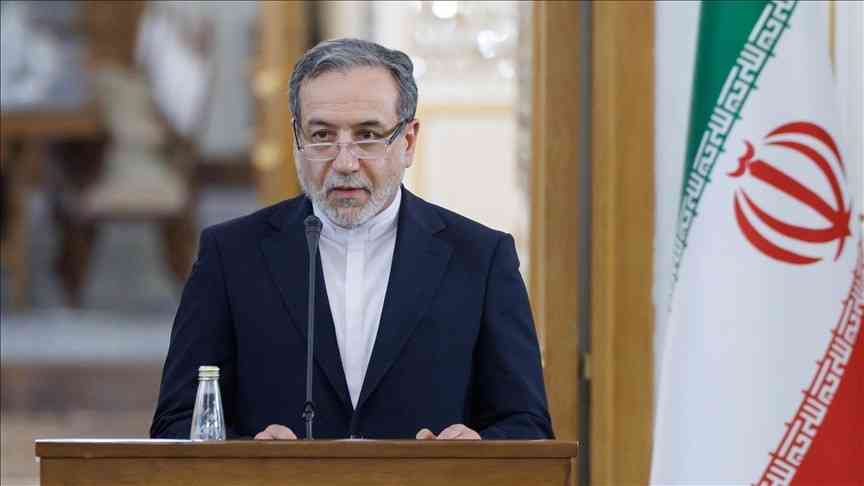
Iran’s foreign minister told Fox News that Tehran will not execute detainees from recent protests, responding to President Trump’s warnings and amid U.S.–U.K. troop moves from a Qatar base.
Iran’s Foreign Minister Abbas Araghchi said on Wednesday that Tehran does not plan to execute detainees arrested during recent anti-government protests, signaling a calibrated response to warnings issued by U.S. President Donald Trump.
The remarks were made by Iranian Foreign Minister Abbas Araghchi, responding directly to statements from U.S. President Donald Trump.
Araghchi said Iran has no intention of carrying out executions against protesters detained during recent unrest, pushing back against U.S. accusations of an imminent crackdown.
The comments were delivered in an interview with Fox News, while diplomatic and military developments unfolded across the Middle East, including Qatar.
The statements came on January 15, amid heightened regional tensions following protests in Iran and U.S. warnings issued earlier this week.
Trump had threatened to take what he called “very strong action” if Iran proceeded with executions of demonstrators. He later said he had been informed that such executions had been halted.
Iran’s response appears aimed at defusing immediate escalation while maintaining a firm stance against foreign pressure.
Araghchi referenced last year’s U.S. air strikes on Iranian nuclear facilities in June, cautioning Trump against repeating what he described as a previous strategic mistake. He implied Tehran remains alert but restrained.
On Wednesday, the United States and Britain evacuated some military personnel from a key base in Qatar, a move that fueled speculation of possible Western military involvement should tensions worsen.
The evacuation comes amid broader instability in the region, where U.S.–Iran relations remain strained following sanctions, military incidents, and proxy conflicts.
Iran has faced waves of protests driven by economic hardship and political grievances. Western governments have repeatedly accused Tehran of human rights abuses, while Iran rejects external interference in what it calls its internal affairs.
Iran’s statement appears to be a measured signal to Washington, seeking to lower the immediate risk of confrontation while warning that further U.S. pressure could destabilize an already volatile region.