Ethiopian Spy Chief’s Secret Mogadishu Visit: What You Need to Know
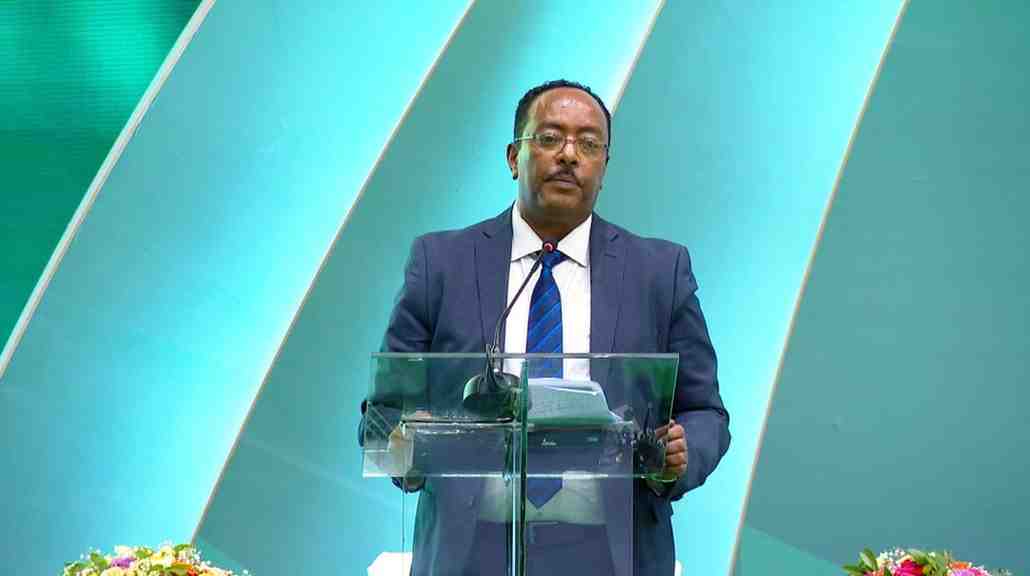
Ethiopia’s intelligence chief paid an unannounced visit to Mogadishu, delivering a message from Prime Minister Abiy Ahmed as regional tensions rise over Somaliland and wider Horn of Africa security.
MOGADISHU — Ethiopia’s intelligence chief, Redwan Hussein, made an unannounced visit to Mogadishu on Tuesday, holding high-level meetings with Somalia’s leadership as regional diplomatic tensions continue to intensify, officials said.
Hussein, who heads Ethiopia’s National Intelligence and Security Service, arrived in the Somali capital carrying a message from Ethiopian Prime Minister Abiy Ahmed to Somali President Hassan Sheikh Mohamud. He met the president at the presidential compound shortly after his arrival. Officials declined to disclose the contents of the message or provide details on the discussions.
During the visit, Hussein also held closed-door talks with Mahad Salad, the director of Somalia’s National Intelligence and Security Agency, at the agency’s headquarters. No official statement was released following the meeting, and both sides remained silent on the issues discussed.
The surprise trip comes at a delicate moment for the Horn of Africa, where diplomatic relations have grown increasingly strained in recent weeks. Ethiopia and Somalia maintain close security ties, particularly in counterterrorism cooperation, but relations have periodically been tested by broader regional and geopolitical developments.
Hussein’s visit follows a recent meeting in Djibouti between Ethiopian Prime Minister Abiy Ahmed and Djiboutian President Ismail Omar Guelleh, highlighting intensified regional diplomacy. It also coincides with a new diplomatic dispute triggered by Israel’s reported recognition of Somaliland, a self-declared region that Somalia considers part of its sovereign territory.
Regional analysts say the timing and secrecy surrounding the visit suggest discussions may have extended beyond routine intelligence coordination to include wider political and security concerns affecting the Horn of Africa.
Neither the Somali nor Ethiopian governments have commented publicly on whether the visit will lead to further engagements or policy decisions, leaving the purpose and implications of the talks open to interpretation as regional tensions continue to evolve.