Somali PM Warns of Israeli Security Aims in Somaliland Deal: What You Need to Know
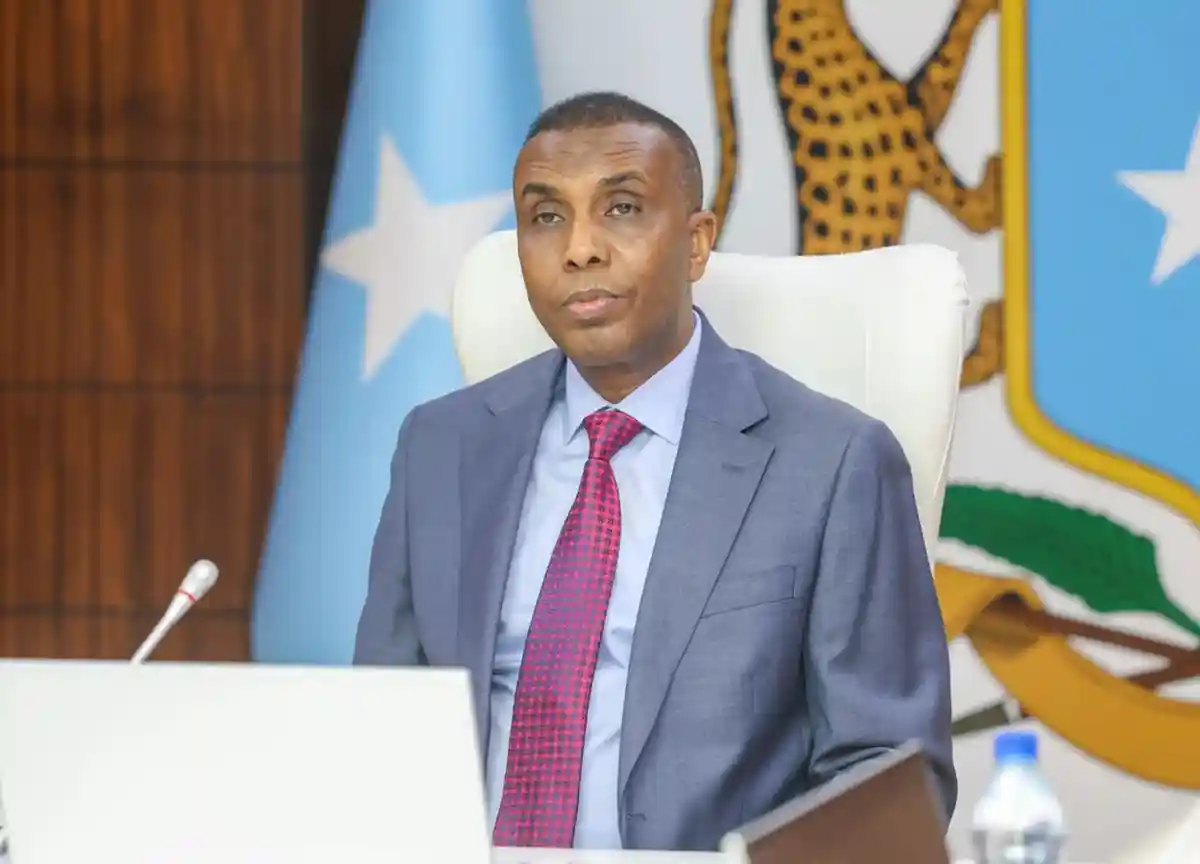
Somalia’s prime minister alleges Israel’s recognition of Somaliland is tied to military and intelligence ambitions near key Red Sea trade routes, warning of regional and maritime security risks in the Horn of Africa.
Somalia’s Prime Minister Hamza Abdi Barre on Sunday warned that Israel’s decision to recognise Somaliland was linked to broader security ambitions in the Horn of Africa, including potential plans to establish a strategic presence near key maritime routes.
In an interview with Al Jazeera television, Barre said Israel’s agreement with Somaliland, which preceded the recognition announcement last week, was driven by what he described as an effort to secure military and intelligence footholds in northwestern Somalia.
Barre alleged that the primary objective was to position Israeli facilities close to the Bab al-Mandab Strait, a vital shipping lane connecting the Red Sea to the Gulf of Aden through which a significant share of global trade passes. He did not provide evidence for the claim.
“The intention is to control maritime movement and expand influence in one of the world’s most sensitive waterways,” Barre said, adding that Somalia would not accept any foreign military expansion on its territory without its consent.
Israel announced on Dec. 26 that it had recognised Somaliland as an independent state, becoming the first United Nations member to do so. Somaliland declared independence from Somalia in 1991 following the collapse of the central government but has not been recognised by the UN, the African Union or any major international body.
Somalia has rejected Israel’s move as illegal and null and void, insisting that Somaliland remains an integral part of its sovereign territory. Mogadishu argues the recognition violates international law, the UN Charter and African Union principles that safeguard inherited borders.
Barre said Prime Minister Benjamin Netanyahu’s government was pursuing what he described as a destabilising regional agenda, warning that the move posed risks not only to Somalia but to the wider Horn of Africa.
He called on regional governments and international partners to adopt a unified stance against Israel’s decision, saying failure to do so could undermine regional stability and maritime security.
In a statement issued on Dec. 26, the Somali Prime Minister’s Office said Israel’s recognition directly contravened Somalia’s provisional constitution, the UN Charter and foundational African Union agreements, particularly the principle of respecting colonial-era borders.
The statement added that no external actor had the legal authority to alter Somalia’s internationally recognised boundaries and said any attempt to weaken the country’s territorial integrity would carry no legal or political effect.
Israel has not publicly commented on the specific allegations raised by Barre regarding military intentions. Israeli officials have said the recognition of Somaliland was based on political and strategic considerations and would be pursued in line with international engagement.
The move has triggered widespread condemnation across Africa and the Middle East. Several Arab and African states, along with regional organisations, have reiterated their support for Somalia’s unity and warned that recognising breakaway regions could set a dangerous precedent.
Diplomatic fallout from the decision continues to grow, with the issue expected to be raised at the United Nations Security Council, where Somalia is due to assume the rotating presidency in early January.