Somalia’s Saudi-Egypt Alliance Push: What You Need to Know
Somalia is urging a formal security alliance with Saudi Arabia and Egypt to counter Red Sea threats, militant violence and foreign interference, while condemning Israel’s recognition of Somaliland.
Somalia is calling for a formal security and diplomatic alliance with Saudi Arabia and Egypt, framing it as an urgent necessity to counter rising militant threats, foreign interference, and instability in the Red Sea corridor.
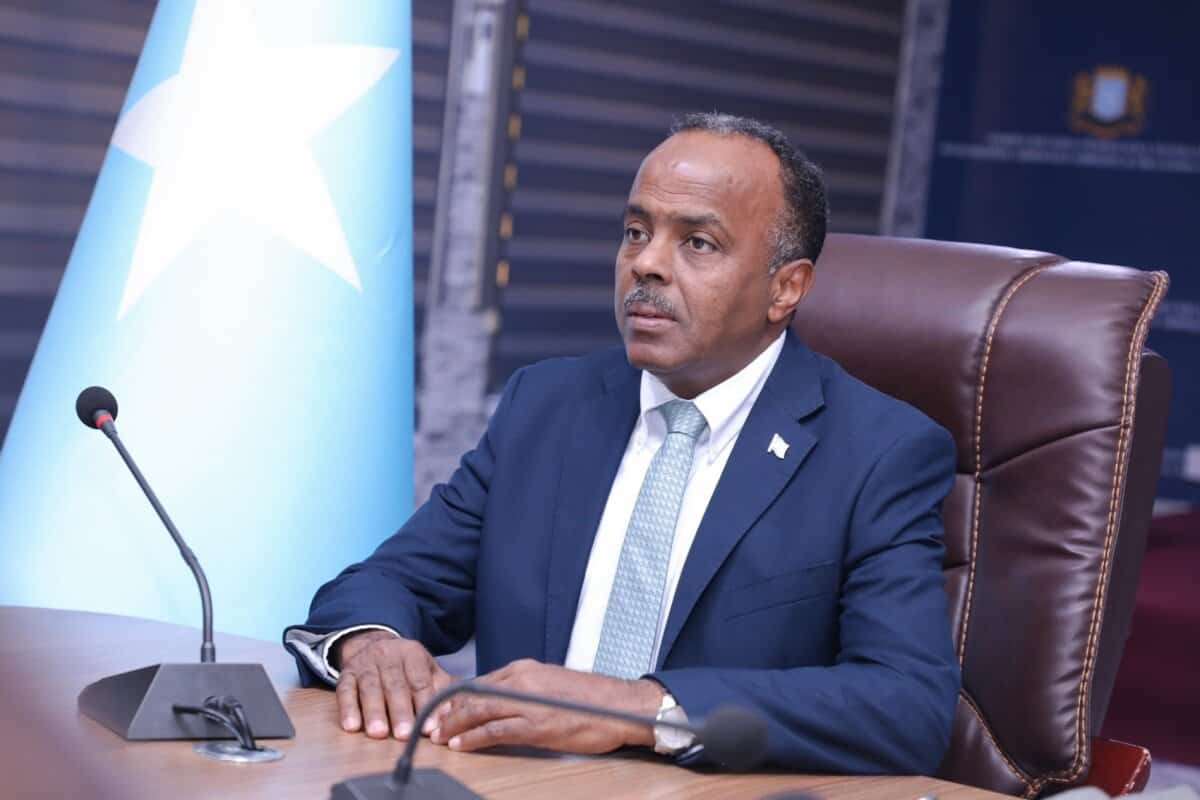
In an interview with Al-Majallah, State Minister for Foreign Affairs Ali Omar said the volatile convergence of security risks and geopolitical competition in the Horn of Africa requires a unified Arab response, led by regional powers.
“An alliance with Saudi Arabia and Egypt is not optional at this stage—it is necessary,” Ali said. “Our priorities are safeguarding Somalia’s sovereignty, defeating terrorist groups like Al-Shabaab, and securing vital shipping lanes in the Red Sea and Gulf of Aden.”
Somalia’s appeal reflects the Red Sea’s emergence as a focal point of international rivalry, with Middle Eastern powers, Western navies, and African coastal states vying for influence over ports and sea routes critical to global trade.
Mogadishu, which lies near the southern gateway to the Red Sea, argues that insecurity in the Gulf of Aden directly threatens regional trade, counter-piracy operations, and military balance.
“Stability in the Horn of Africa is inseparable from stability in the Red Sea,” Ali said, warning that “external meddling” and internal vulnerabilities necessitate embedding Somalia within a broader Arab security framework.
Ali also condemned Israel’s recent announcement recognizing the breakaway region of Somaliland as independent, calling the move a breach of international law and a threat to Somalia’s territorial integrity.
“Somaliland is part of Somalia,” he stated. “Any unilateral recognition undermines our unity and risks turning the Red Sea into a zone of confrontation.”
He argued that such diplomatic gestures do not serve wider Arab interests and could further militarize an already tense maritime region.
The minister used the occasion to reiterate Mogadishu’s sole authority over foreign policy, responding to years of friction over unauthorized port deals and security agreements signed by federal member states.
“No regional administration has the right to represent Somalia abroad,” Ali emphasized. “External relations are exclusively the responsibility of the federal government.”
On Somalia’s ties with the United States, Ali sought to downplay concerns over recent shifts in Washington, attributing changes in aid and engagement to broader American policy realignments rather than targeted pressure.
“What we are seeing are wider U.S. strategic adjustments, not something aimed specifically at Somalia,” he said.
While acknowledging ongoing attacks, Ali pointed to security progress, claiming that nearly 80% of Somali territory has been cleared of militant control.
“Military operations against Al-Shabaab continue,” he said, “alongside efforts to rebuild state institutions and ensure lasting stability.”
Analysts note that Somalia’s diplomatic outreach to Riyadh and Cairo signals a strategic repositioning: the Horn of Africa is no longer a peripheral concern but a frontline in Red Sea geopolitics, where security, trade, and international influence increasingly intersect.
For Mogadishu, alignment with Saudi Arabia and Egypt is more than diplomacy—it is an attempt to secure a place within the region’s emerging security architecture.