Somalia mourns loss of first information minister Ali Hiraabe
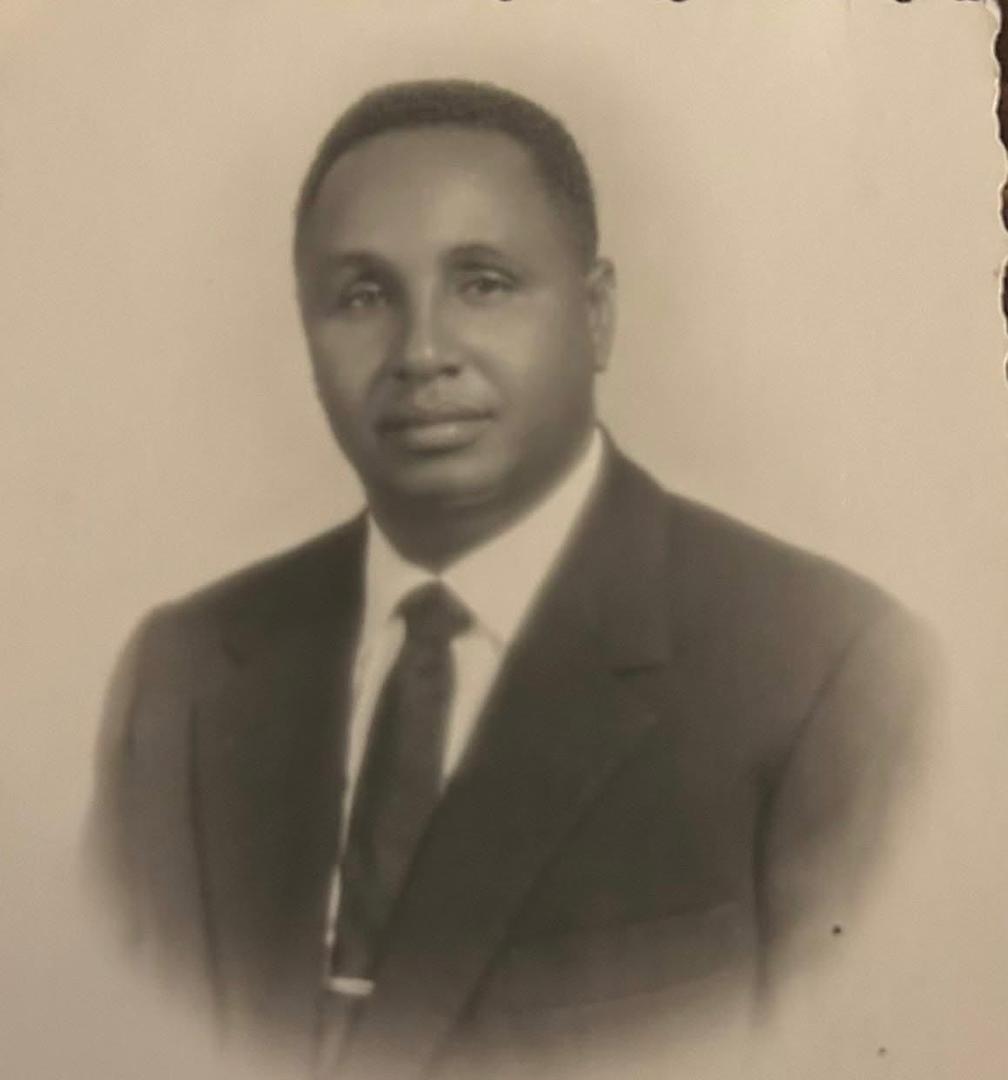
Somalia is mourning the loss of Ali Mohamed Hiraabe (Ali Hagareey), the country’s first Minister of Information and a veteran leader of the Somali Youth League (SYL). Minister Da’ud Aweys described Hiraabe as “a towering figure whose contributions left a deep imprint on the Somali nation” and extended condolences to his family and all Somalis.
Somalia’s Minister of Information, Culture and Tourism, Da’ud Aweys Jama, has issued a heartfelt condolence message following the passing of Ali Mohamed Hiraabe (Ali Hagareey), a prominent national figure and the country’s first Minister of Information.
Hiraabe, a veteran statesman and one of the leading members of the Somali Youth League (SYL), served in several key ministries during the civilian governments of the 1960s. He is widely remembered for his significant role in shaping Somalia’s political history and strengthening state institutions during the country’s formative years.
In his statement, Minister Aweys described the late Hiraabe as “a towering figure whose contributions left a deep imprint on the Somali nation,” noting that his death is a profound loss to the Somali people. He extended sympathy to the family, relatives, and the wider Somali community mourning the passing of a man who dedicated decades of service to the country.
“May God have mercy on the late Ali Mohamed Hiraabe who was among the leaders of the SYL and who also managed several ministries, is a loss that touches the entire Somali nation, given the significant role he played in our country’s history. I extend my condolences to all Somalis, especially his children and his family,” Minister Da’ud Aweys said.
Ali Mohamed Hiraabe notably served as Minister of Information during the administration of the late Prime Minister Abdirashid Ali Sharmarke, overseeing a period of institutional expansion and national messaging efforts that played a crucial role in shaping Somalia’s media landscape.
The government and the public continue to pay tribute to Hiraabe’s decades of leadership and the historic role he played in both the independence struggle and post-independence governance.