UN Security Council to Debate Israel’s Somaliland Recognition: What to Know
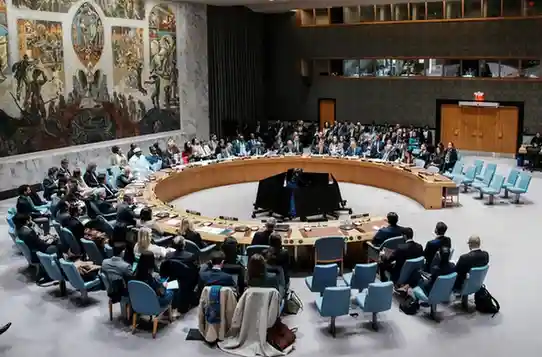
The UN Security Council will hold an emergency meeting on Israel’s recognition of Somaliland, amid Somali and regional condemnation and concerns over stability in the Horn of Africa.
The United Nations Security Council will hold an emergency meeting on Monday following Israel’s decision to recognise Somaliland as an independent state, diplomats said.
The meeting comes days before Somalia assumes the rotating presidency of the 15-member council on Jan. 1, a role that will give Mogadishu procedural influence over the body’s agenda and meetings.
Israel’s ambassador to the United Nations, Danny Danon, confirmed the meeting on Saturday, saying discussions would focus on the political implications of Israel’s move, which has drawn strong condemnation from Somalia and several regional powers.
“The UN Security Council will convene for an emergency meeting on Monday following Israel’s recognition of the Republic of Somaliland,” Danon wrote on social media platform X. “Israel will continue to act responsibly and with caution to strengthen cooperation with partners that contribute to regional stability.”
Israel announced the recognition on Dec. 26, becoming the first UN member state to formally recognise Somaliland, a self-declared republic that broke away from Somalia in 1991 but has not been recognised by the United Nations or the African Union.
Somalia has rejected the decision as illegal and null and void, insisting Somaliland remains an integral part of its sovereign territory. Officials in Mogadishu argue the move violates international law and risks destabilising the Horn of Africa and the strategically important Red Sea corridor.
Several Arab and African countries have echoed Somalia’s position in recent days, warning that recognising breakaway regions could undermine Africa’s post-colonial borders and set a dangerous precedent.
Diplomats expect sharp divisions during the Security Council debate. Western members are likely to stress political dialogue and regional stability, while African and Arab representatives are expected to emphasise respect for territorial integrity and inherited borders.
It remains unclear whether the meeting will produce a formal statement or resolution. However, the session elevates the issue from a bilateral diplomatic decision to a matter before the UN’s top security body.