UN warns 6.5M in Somalia face severe hunger by March 2026.
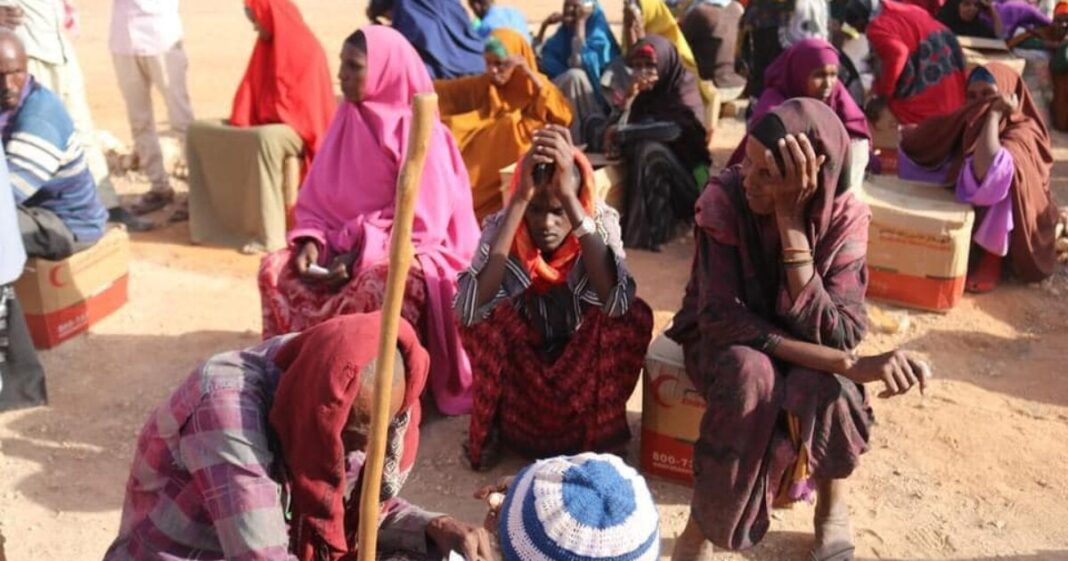
UN warns 6.5M in Somalia face severe hunger by March 2026.
UN officials have warned that nearly 6.5 million people in Somalia, approximately two-thirds of the population are expected to face life-threatening levels of hunger by March 2026. This represents an increase of 1.7 million since January.
Speaking via live video from UN headquarters, Ross Smith, Director of Preparedness and Emergency Response at the World Food Programme (WFP), said the latest Integrated Food Security Phase Classification (IPC) report confirms that the humanitarian situation in Somalia has significantly worsened.
Smith highlighted that two million of the most vulnerable people—especially women and children—are expected to face severe hunger, while more than 1.8 million children under five are at risk of acute malnutrition in 2026.
He noted that Somalia is experiencing a severe food crisis after two consecutive failed rainy seasons, ongoing conflict, and insecurity, which have forced thousands of people to leave their homes in search of food, shelter, and basic services.
Humanitarian agencies, including WFP, are facing critical funding shortages. Smith warned that without urgent financing, emergency food and nutrition assistance could be disrupted, disproportionately affecting the most vulnerable.
Meanwhile, Rein Paulsen, Director of the Emergency and Resilience Office at the Food and Agriculture Organization (FAO), emphasized the severe impact of the drought on Somalia’s agricultural production. Crop yields and livestock reproduction have sharply declined, and the most recent cereal harvest fell 83% below the long-term average (1995–2025).
Paulsen stressed the urgent need for life-saving assistance to protect livelihoods and prevent further destruction of pastoralist and farming communities. FAO requires $85 million to support one million of the most vulnerable rural people, but only $6 million has been secured so far.
UN officials urged the international community to urgently increase support to prevent a worsening humanitarian disaster.