Somalia Rejects Pressure to Host Displaced Palestinians: What to Know
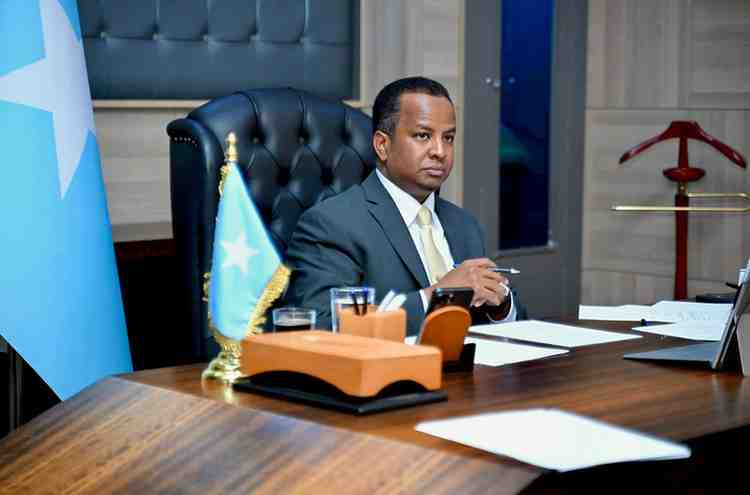
Somalia’s foreign minister says Mogadishu will not accept or assist any forced relocation of Palestinians, calling it unlawful and immoral, as Israel’s new ties with Somaliland heighten regional tensions.
Somalia has firmly dismissed any outside attempts to pressure it into accepting the forced relocation of Palestinians, denouncing such proposals as unlawful and morally unacceptable while pledging not to participate in any plan that would remove Palestinians from their homeland.
Foreign Minister Abdisalam Abdi Ali said the government in Mogadishu would not endorse or cooperate with initiatives involving the displacement of the Palestinian population. Speaking to Al Jazeera Arabic, he described the idea as a “criminal act” and stressed that Somalia would reject any effort to impose it, without identifying the parties he said were exerting pressure.
Ali warned that forcibly transferring Palestinians would amount to a serious breach of international law, underscoring Somalia’s position that the rights of the Palestinian people must be respected and protected. His comments come at a time of heightened diplomatic strain in the region, following a visit by Israeli Foreign Minister Gideon Saar to Hargeisa, the capital of Somaliland, a self-declared breakaway region in northern Somalia. The visit followed Israel’s decision to establish diplomatic relations with the authorities there, a move that has drawn sharp criticism internationally.
The federal government has reiterated that Somaliland remains an inseparable part of Somalia’s internationally recognized territory, a stance supported by the United Nations and other global bodies. International organizations and several states, including the United Nations, the African Union, and the Organization of Islamic Cooperation, have condemned Israel’s engagement with Somaliland, arguing that it violates Somalia’s sovereignty and territorial integrity.
The episode has added to growing tensions across the Horn of Africa, where overlapping geopolitical rivalries and the wider repercussions of the war in Gaza are increasingly shaping regional dynamics and diplomatic alignments.