What Is Preventing Somali Women from Running in Local Elections?
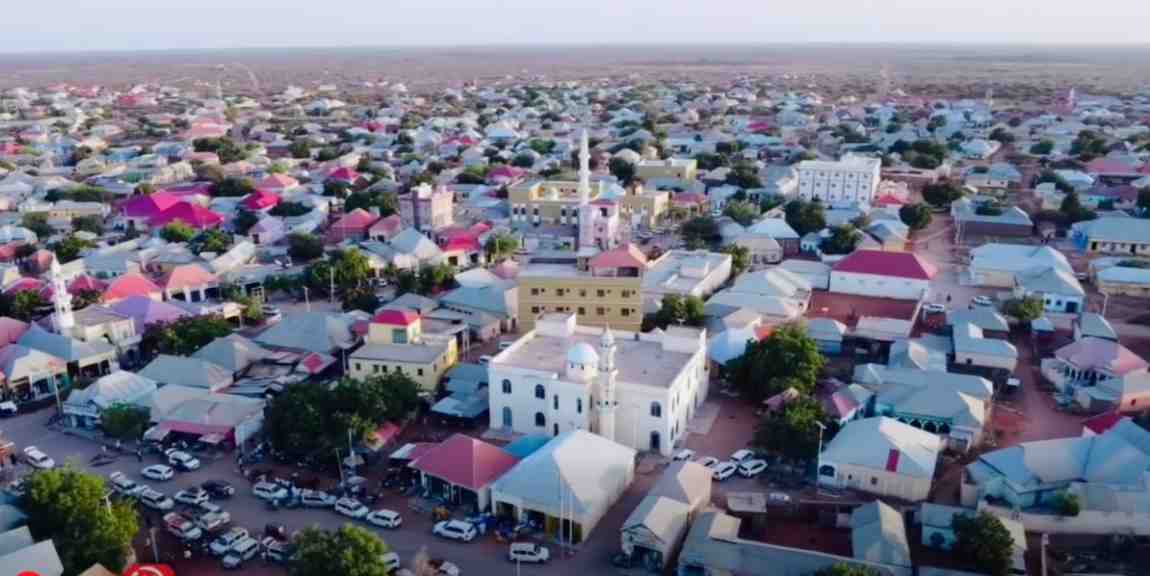
Women in Galdogob who contested in the May 25, 2023 local council elections faced significant challenges despite the introduction of the one-person, one-vote system. While the system created new opportunities for direct participation, many women struggled with limited understanding of the electoral process and strong competition from male candidates. As a result, only five out of 27 seats were secured by women. Nevertheless, this marks gradual progress and reflects growing support for women’s political participation in Puntland, offering hope for a more inclusive future.
Somali women who aspire to enter politics or run in elections face a range of obstacles rooted in cultural norms, financial limitations, and limited understanding of electoral systems. Many encounter social pressure, lack of financial backing, and long-standing systems that historically denied them equal opportunities to compete with men.
However, the introduction of the “one-person, one-vote” system has opened a new pathway, allowing women to compete directly for political positions though the journey remains far from easy.
Galdogob district in the Mudug region is among the areas where this system has been implemented. There, women seeking seats in the local council have encountered visible challenges. Although many women ran in the May 25, 2023 local elections, only a small number succeeded in securing seats.
Some of the women elected under this system say that key barriers included a limited understanding of the electoral process and strong competition from male candidates.
Councillor Beelo Warsame noted that the previous system significantly restricted women’s opportunities.
“In the past, when traditional elders selected representatives, women had very limited chances. Each elder would simply appoint a man he preferred. But today, thanks to God, we have the one-person, one-vote system, where individuals rise based on their own merit,” she said.
Despite this progress, she highlighted a new challenge understanding the electoral system itself.
“The biggest obstacle was that many women did not fully understand the A and B voting system. Men understood it better, and that gave them an advantage in gaining more votes.”
Meanwhile, Councillor Ubax Hassan said that although many women contested the elections, the outcome fell short of expectations.
“Many women ran. We expected that at least 17 out of the 27 council seats would go to women, but that did not happen. Men are more strategic—they outmaneuvered us at the grassroots level,” she explained.
Although only five of the 27 council seats were won by women, this still reflects gradual progress and growing hope. These women say they are determined to work hard for the communities they represent.
“Five women were elected to the council this year. We have a lot of work to do, and as you can see, we are committed to serving our community,” said Ubax Hassan.
At the same time, residents of Galdogob have shown increasing support for women’s participation in politics, describing it as essential for social development.
“I strongly support women’s participation in politics. Today’s society is more aware, and women are equal to men. They understand responsibility and its weight, so we say: take your role,” one local resident told Bilan Media.
The Evolution of Elections in Puntland
Elections in Puntland have undergone several phases. For many years, the system was indirect, with traditional elders selecting members of local councils and parliament. This model significantly limited direct public participation, particularly for women and youth.
In an effort to reform the system, Puntland introduced the one-person, one-vote model, beginning with pilot elections on October 25, 2021, in the districts of Qardho, Eyl, and Ufayn. This pilot phase was crucial in testing how the system would function and identifying existing challenges.
Following this, on May 25, 2023, Puntland officially implemented one-person, one-vote local council elections across the region. This marked a major step toward democratization, allowing citizens to directly elect their representatives.
While this transition has created new opportunities, it has also revealed new challenges particularly in terms of understanding the system, political competition, and candidates’ capacity to navigate the electoral process.
Women’s participation in local politics continues to face significant barriers. However, the one-person, one-vote system offers a new opportunity for women to demonstrate their capabilities and achieve broader representation than ever before.
The ongoing transformation in Puntland shows that, although the path is challenging, there is genuine hope for a more inclusive political future.
Written by Maryan ladane