Somalia Cancels All UAE Deals: What You Need to Know Now
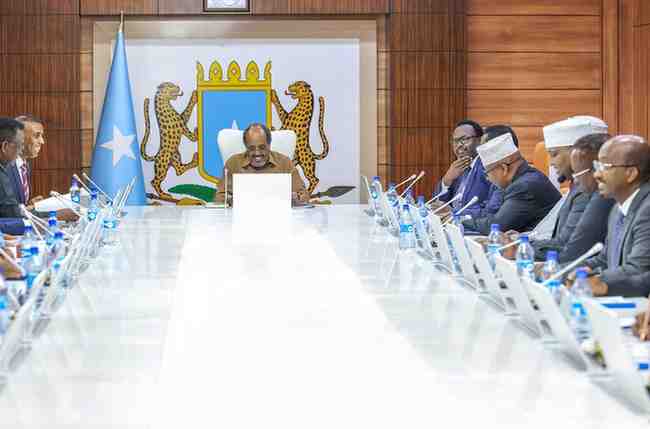
Somalia’s cabinet has annulled all agreements with the UAE, ending military, security and port deals amid sovereignty concerns, and reinforcing a flight ban that reshapes Horn of Africa–Gulf relations.
Somalia’s federal cabinet has formally annulled all agreements with the United Arab Emirates, ending military, security, and economic pacts including UAE control over key ports in Berbera, Bosaso, and Kismayo.
The resolution cites "strong evidence of serious steps being taken to undermine the sovereignty, national unity, and political independence of the country". This escalates prior tensions triggered by an unauthorized UAE flight carrying Yemen’s Southern Transitional Council leader Aidarous al-Zubaidi.
Somalia-UAE disputes date back to 2016-2018, when Mogadishu rejected a $442 million DP World deal for Berbera port (51% UAE stake, 30% Somaliland, 19% Ethiopia), declaring it "null and void" for violating sovereignty.
In 2018, Somalia disbanded UAE soldier training programs and urged UN action against a UAE Berbera military base. Recent flare-ups include a January 2026 airspace ban on UAE military/cargo flights after the al-Zubaidi incident.
Key pacts include bilateral security/defense cooperation and port concessions in Berbera, Bosaso, and Kismayo, where UAE entities held operational oversight. Somalia's broader UAE ties involved trade/investments, though remittances data remains limited; annulment requires parliamentary ratification under Somali law for full termination.
Somali officials stated: "The Council of Ministers has terminated all existing agreements... in response to reports and strong evidence".
No direct UAE government statement emerged post-January 11 resolution, but earlier pleas to reverse the flight ban were rejected. UAE previously defended port deals as approved by prior governments, denied by Somalia.
Port Transition and ImpactsPort operations will revert to Somali federal or regional control post-annulment, with federal oversight prioritized to prevent secessionist gains.
Economic dependence on UAE includes port revenues (e.g., Berbera as a trade hub), but specifics undisclosed; fallout risks investment losses amid Red Sea tensions.
Israel's recent Somaliland recognition heightens UAE-Somaliland alignment, fueling Mogadishu's stance.
Experts predict UAE retaliation via Somaliland support or legal challenges, while Saudi Arabia may deepen ties (e.g., recent Mogadishu jet landing). Red Sea security strains, including Yemen conflicts, amplify airspace sovereignty issues; blocs like IGAD/AU may mediate to avert Gulf-Horn realignment.
Somalia signals no compromise on unity amid these pressures.