Somalia reopens Sabiid and Anole bridges in Lower Shabelle to boost economy and security
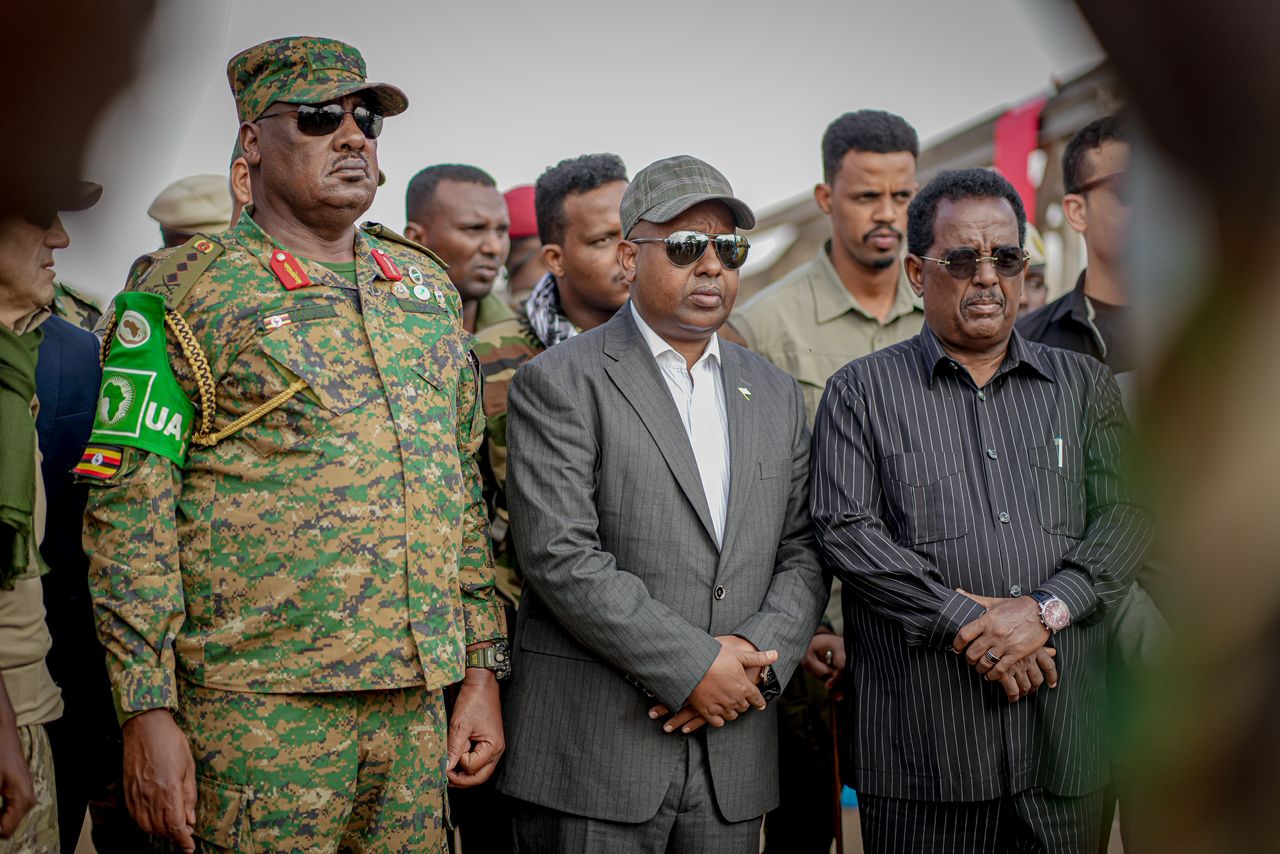
The Federal Government of Somalia has officially reopened the Sabiid and Anole bridges in Lower Shabelle, following reconstruction efforts. The bridges, destroyed earlier this year by Al-Shabaab, are expected to improve regional connectivity, boost trade, and enhance security, benefiting local communities and traders alike.
The Ministers of Defence and Interior of the Federal Government of Somalia, Ahmed Maalim Fiqi and Ali Yuusuf Ali, officially inaugurated the rebuilt Sabiid and Anole bridges in Lower Shabelle today, marking a significant milestone in the government’s efforts to restore critical infrastructure across the country.
The ribbon-cutting ceremony was attended by senior officials from the Somali National Army, representatives of the African Union Mission in Somalia (AUSSOM), and officials from the Government of Turkey, highlighting the collaborative effort involved in the reconstruction project.
Speaking at the event, Minister Ahmed Maalim Fiqi emphasized the importance of the bridges in improving mobility, trade, and regional connectivity. “These bridges are not just structures of concrete and steel; they are lifelines for the communities of Lower Shabelle. Reopening them restores safe passage for goods, services, and residents, while strengthening security in the region,” he said.
Minister Cali Yuusuf Cali added that the reopening of the Sabiid and Anole bridges reflects the Federal Government’s commitment to rebuilding essential infrastructure damaged by Al-Shabaab earlier this year. “Our priority is to ensure that all regions are connected, secure, and capable of contributing to Somalia’s economic recovery,” he stated.
The reconstruction of the bridges forms part of a broader government initiative to rehabilitate infrastructure in conflict-affected areas. The projects are expected to facilitate smoother movement of commercial goods and services, improve access to education and healthcare, and support the ongoing stabilization efforts led by Somali security forces.
Representatives from AUSSOM and the Turkish government reaffirmed their continued support for Somalia’s rebuilding process. They highlighted that the collaborative efforts are vital not only for infrastructure development but also for fostering peace, stability, and socio-economic growth in the region.
Local residents expressed optimism about the reopening of the bridges, noting that they will reduce travel time and enhance access to markets, schools, and health facilities. Traders in the region also welcomed the development, saying it will help revive commerce and restore livelihoods disrupted by earlier insecurity.
The successful completion of the Sabiid and Anole bridges underscores the Federal Government’s strategic focus on infrastructure, economic recovery, and security. Officials confirmed that similar reconstruction projects are planned in other regions, aiming to reconnect communities and reinforce the foundations of Somalia’s long-term development.