Somalia Assumes Presidency of the UN Security Council After 55 Years
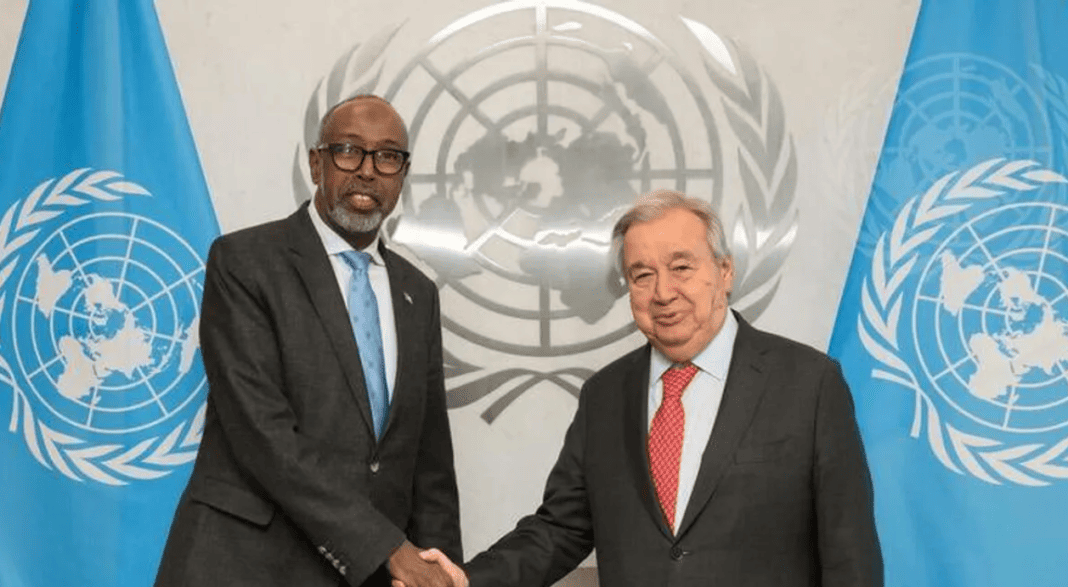
Somalia Takes Over Presidency of the UN Security Council
Somalia has officially assumed the rotating presidency of the United Nations Security Council, marking a significant milestone and underscoring the country’s rising profile on the global stage.
During its one-month tenure, Somalia is expected to lead the Council’s work, chair meetings, and help shape the agenda of the UN’s most powerful body, which is responsible for maintaining international peace and security.
Somalia’s presidency will be led by the country’s Permanent Representative to the United Nations, Ambassador Abukar Baalle, who takes over from Slovenia’s envoy, Samuel Žbogar.
In a statement, Somalia’s Mission to the United Nations said the country will use its presidency to promote “constructive and inclusive dialogue” among Council members during its term.
The rotating presidency, which took effect on the 1st of this month, comes at a sensitive time for Somalia, following Israel’s recognition of Somaliland as an independent state—a move Mogadishu has described as a violation of Somalia’s sovereignty and territorial integrity, sparking regional and international criticism.
For years, African nations have called for reform of the UN Security Council, demanding permanent seats with veto power, arguing that the current structure is unfair to Africa. At present, only five countries hold permanent seats with veto authority: the United States, United Kingdom, France, Russia, and China.
This marks the first time in 55 years that Somalia has held the presidency of the UN Security Council. The country last presided over the Council in 1971.
Observers say the development is a strong symbol of Somalia’s recovery and diplomatic progress after decades marked by internal conflict, political instability, and natural disasters.