JSP Secretary General Resigns in Scathing Statement, Accuses President Mohamud of Running ‘One‑Man Show’
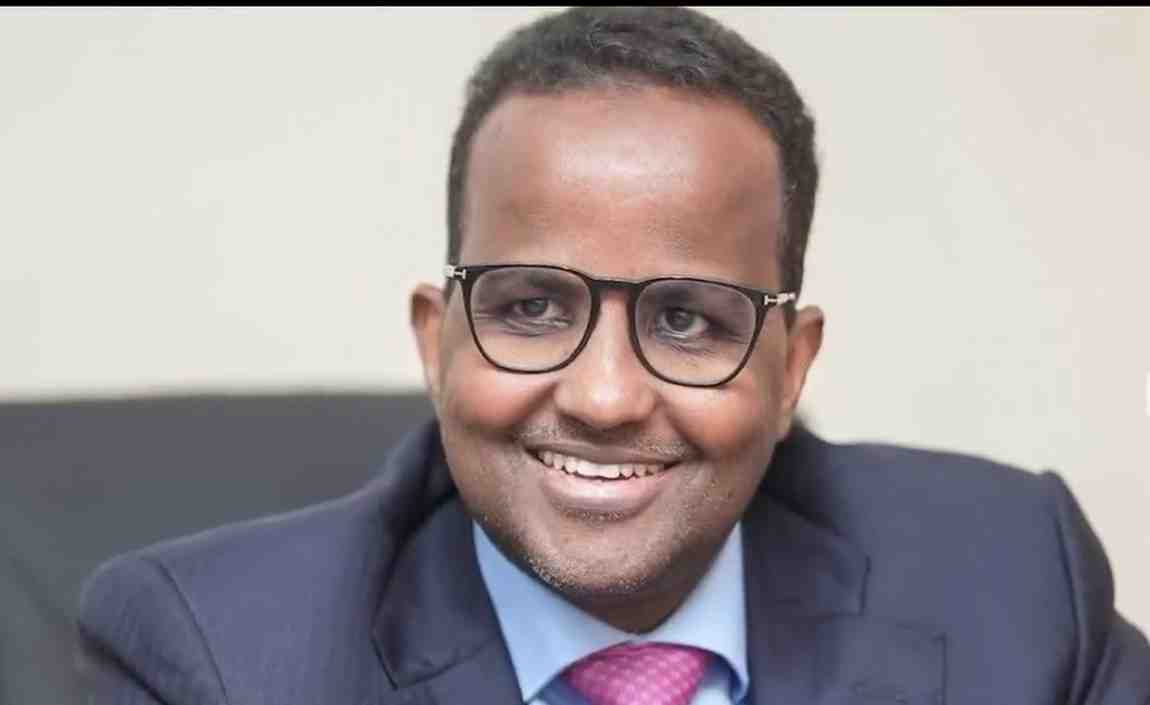
The former Secretary General of Somalia’s ruling Justice and Solidarity Party (JSP) resigned on March 25, publicly criticising President Hassan Sheikh Mohamud for consolidating power and outlining five main grievances, including the mishandling of constitutional amendments and restrictions on lawmakers’ travel, which he described as violations of parliamentary immunity. Villa Somalia has not yet responded. The opposition has cited the resignation as evidence of divisions within the government’s leadership.
In a move that signals deepening fissures within Somalia’s ruling establishment, the Secretary General of the Justice and Socialist Party (JSP) officially resigned on March 25, issuing a scathing press statement that marks a complete rupture with President Hassan Sheikh Mohamud.
The former senior official, whose name was listed on the party’s leadership roster until the resignation, did not hold back. He accused the President of turning both the party and the state into a “one‑man show” and announced he was ending their long‑standing political partnership.
“I am now preparing to form new alliances with anyone committed to protecting Somali unity,” the outgoing Secretary General stated.
The resignation comes at a critical juncture as Somalia pushes forward with a delicate political transition ahead of the 2026 elections. Villa Somalia has not yet issued an official response to the specific allegations, but political observers note that the high‑profile exit raises serious questions about internal stability within the ruling party.
In his resignation statement, the Secretary General outlined five key areas of conflict, each accompanied by sharp criticism of the President’s leadership.
1. Centralisation of Power
“Turning both the party and the state into a one‑man show.”He alleged that President Mohamud has centralized power, ignoring state institutions and sidelining his own political advisors in favor of unilateral decision‑making.
2. Constitutional Amendment Process
“The constitutional amendment process is being mishandled.”The former official warned that ongoing constitutional changes are being pushed through in a way that threatens Somalia’s federal principles, undermining the consensus required for such fundamental reforms.
3. 2026 Elections
“Pushing for a system he can personally control, rather than a consensus‑based model.”He accused the President of unilaterally shaping the upcoming electoral process to consolidate personal control, abandoning the consensus‑based approach that has traditionally guided Somali political agreements.
4. Policy Toward Federal Member States
“The government’s policy toward Federal Member States is destructive.”He condemned the administration’s approach to Somalia’s regional states as harmful to federal cooperation and national unity, arguing it has exacerbated tensions between Mogadishu and the Federal Member States.
5. Restriction of Lawmakers’ Travel
“A legal outrage … a violation of parliamentary immunity.”He cited the recent restriction of travel for Somali lawmakers as an assault on legislative independence and the rule of law, calling it a breach of parliamentary immunity that sets a dangerous precedent.
The resignation has already drawn reactions from across the political spectrum. Opposition figures were quick to seize on the statement as evidence of a fractured leadership at the highest levels of government.
“This is not merely a resignation; it is an indictment of the President’s governance,” a senior opposition leader said in a separate statement. “When a senior official of the ruling party speaks of a ‘one‑man show’ and a ‘legal outrage,’ the country must pay attention.”
Efforts to reach Villa Somalia for comment were unsuccessful at the time of publishing. However, government sources indicated that an official response may be issued in the coming days.
The outgoing Secretary General’s next political moves remain unclear, though his pledge to form “new alliances with anyone committed to protecting Somali unity” suggests he may seek to rally opposition factions or disaffected members of the ruling party ahead of the 2026 elections.
For now, the resignation stands as one of the most significant public ruptures within the JSP since President Mohamud took office, underscoring the intensifying political pressures facing the administration.