Somali Dog Caregiver Faces Fear and Rejection: What You Need to Know
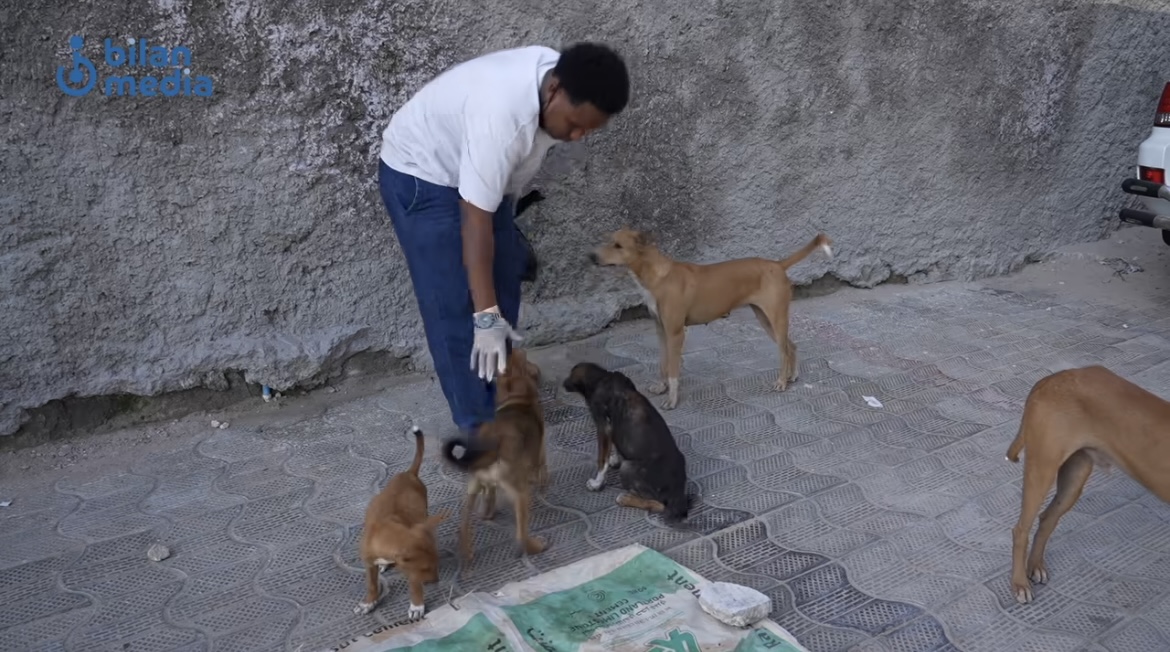
In Mogadishu, caregiver Aadan Abdullahi Ali faces insults and rejection as he feeds stray dogs, revealing a deeper clash between fear, belief and compassion in Somali society.
While Aadan Abdullahi Ali devotes himself wholeheartedly to the care of stray dogs, not everyone in Mogadishu shares his compassion. Many Somalis continue to grapple with fear, religious interpretation, and cultural attitudes that have shaped their view of dogs for generations.
Sahra Ahmed, a mother living in the Somali capital, recalled a distressing encounter that still lingers in her memory. She was walking alone at night down a deserted street when she came across a group of stray dogs.
“I don’t have any connection with dogs. When they bark, I get frightened their sound sends a shiver through me,” she said.
“That night, I panicked and ran. One of the dogs chased me and knocked me down. I reacted based on what I was raised to believe many children in our culture are taught to fear or even despise dogs.”
Sahra says she does not oppose people who help animals. But her fear is rooted in personal experience and longstanding social perceptions.
“Whenever I see a dog, I deliberately avoid that path. It’s not hatred it’s fear from what I’ve been through.”
Sahra's feelings are shared by many in Somali society people who may not realise that the animals Aadan cares for are sick, gentle, and in need of support, not threats.
Liibaan Ali, a resident of Mogadishu, believes the community needs a cultural shift.
“I have no issue with people helping dogs. Those who do so should not be discriminated against. They are caring for one of God’s creatures, and that deserves respect.”
This diversity of opinion between fear rooted in cultural trauma and a growing belief in mercy and compassion highlights how Aadan’s story sits at the heart of a broader conversation about humanity and coexistence.
"Get Away From Us, You Filthy Man!" Rejection in the Streets
While interviewing Aadan, I witnessed firsthand the level of hostility he sometimes endures.
He was preparing to feed some dogs offering them meat scraps and milk near a house in his neighbourhood. As he set down the food, a woman from inside the home suddenly burst out, shouting angrily:
“Get away from us, you filthy man!”
The harsh words left Aadan no choice but to leave. He picked up his supplies and walked away in silence, calmly distancing himself from the house to avoid escalating the situation.
“Some people not only refuse to help they don’t even want the dogs to be fed near them,” he later explained.
That moment captured the quiet dignity with which Aadan continues his work, despite the scorn and rejection he faces. For him, the act of caring for animals is a moral and spiritual duty. Yet for some around him, it remains a source of discomfort or even contempt.
Such confrontations underscore the challenges Aadan faces not just in feeding and treating the dogs, but in confronting deeply held fears and beliefs that make his mission all the more difficult.
Aadan’s quiet struggle reveals more than attitudes toward stray dogs it exposes how fear, belief, and compassion collide in Somali society. Whether seen as a threat or a test of humanity, the dogs he feeds have forced a difficult question onto the streets of Mogadishu: who deserves care, and who decides?
By Farhio Muraad, Editor-in-Chief, Bilan Media