Somalia Opposition Joins Election Talks: What You Need to Know
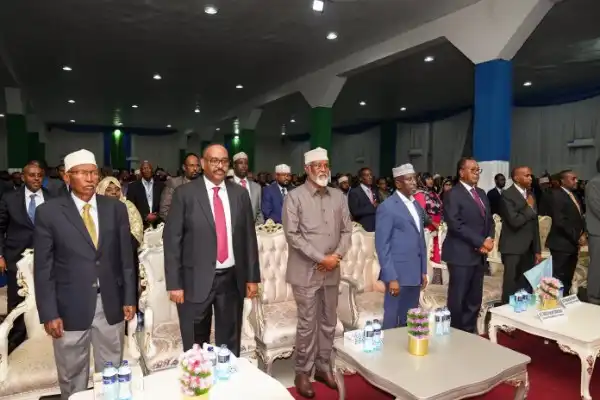
Somalia’s main opposition coalition will join President Hassan Sheikh Mohamud’s national dialogue in Mogadishu, a key move to ease political deadlock as the country faces a 2026 election deadline.
Somalia’s main opposition coalition will join the government’s national dialogue, marking a significant step toward easing a political deadlock that threatens to disrupt the country’s fragile timeline for elections.
The Somali Future Council, a coalition of prominent opposition leaders and former officials, reversed its earlier stance following a closed-door meeting in Nairobi on Thursday. The group now says it will attend President Hassan Sheikh Mohamud’s nationwide consultation process, set to begin in Mogadishu on Feb. 1.
Until Thursday, the opposition had resisted joining talks, criticizing what it called the administration’s unilateral handling of electoral planning and constitutional reform. But after intense diplomatic engagement from international partners, leaders within the Somali Future Council voted to accept the government’s invitation.
“The message was clear: Somalia cannot afford political paralysis at this stage,” said a regional diplomat familiar with the discussions, speaking on condition of anonymity.
A formal announcement from the opposition is expected Friday.
The talks will bring together key players whose cooperation is essential for any viable electoral agreement:
- The federal government, led by President Hassan Sheikh Mohamud and Prime Minister Hamza Abdi Barre.
- Leaders from federal member states, including the presidents of Jubaland and Puntland.
- Opposition figures aligned under the Somali Future Council, who have previously accused the government of sidelining political consensus.
Somalia faces a hard deadline. The mandates of key federal institutions expire in mid‑May 2026, yet there is still no agreement on how the next elections will be conducted.
The country has long aimed to move from a clan‑based indirect model toward direct voting, but disputes over timelines, power‑sharing, and security have repeatedly delayed progress.
The Mogadishu dialogue will focus on:
- The electoral framework — whether to use indirect, hybrid, or one‑person, one‑vote models.
- Implementation of the provisional constitution.
- Power‑sharing arrangements between the federal government and member states.
- Security provisions for any transition period.
While the opposition’s participation reduces the immediate risk of a boycott, it does not guarantee a breakthrough. Previous national consultations have often exposed deep divisions between Mogadishu and regional states, as well as between the government and its critics.
President Hassan Sheikh has publicly backed electoral reform, but opposition groups remain wary of what they see as rushed timelines and a lack of inclusive negotiation.
Analysts suggest the coming talks will test whether Somalia’s political factions can reconcile reform ambitions with the realities of persistent insecurity and institutional fragility.