Trump Postpones Iranian Power Plant Strikes for Five Days After ‘Productive’ Talks
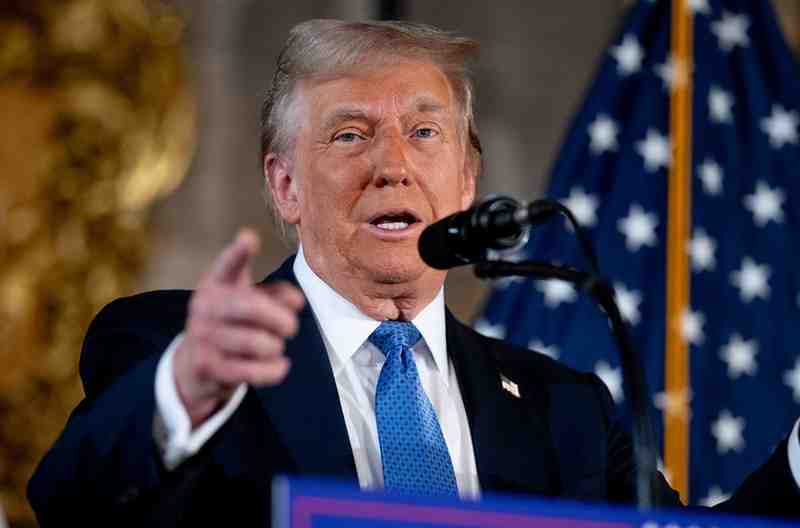
President Trump ordered a five‑day halt to planned strikes on Iranian energy infrastructure following two days of “productive” talks with Tehran, temporarily defusing a standoff that began with a 48‑hour ultimatum to reopen the Strait of Hormuz and had sparked fears of a wider regional conflict.
WASHINGTON – President Donald Trump announced on Monday that he has directed the U.S. military to delay planned strikes on Iranian power plants and energy infrastructure for five days, citing what he described as “good and productive conversations” with Tehran.
The decision temporarily halts a rapidly escalating confrontation that began over the weekend when Trump issued a 48-hour ultimatum for Iran to reopen the Strait of Hormuz to all vessels, threatening to “obliterate” the country’s power plants if it did not comply.
“I am pleased to report that the United States of America, and the country of Iran, have had, over the last two days, very good and productive conversations regarding a complete and total resolution of our hostilities in the Middle East,” Trump posted in all caps on his Truth Social platform.
“I have instructed the Department of War to postpone any military strikes against Iranian power plants and energy infrastructure for five days, subject to the success of the ongoing meetings and discussions.”
The crisis began after Iran vowed to completely shut the Strait of Hormuz—a vital waterway through which approximately one-fifth of the world’s oil passes—in retaliation for unspecified actions. Tehran also threatened to attack energy facilities in Israel and the Gulf countries. The resulting de facto blockade has sent global oil prices soaring and created shortages of cooking gas in several Asian nations.
On Monday, the International Energy Agency’s executive director, Fatih Birol, warned that the current situation in the Middle East is “very difficult” and represents a more severe crisis than the two major energy disruptions of the 1970s combined.
Despite the reprieve, military rhetoric from both sides remains high. The Islamic Revolutionary Guard Corps responded to the initial U.S. threat by vowing to target power plants that supply electricity to American military bases, as well as economic and industrial infrastructure in which U.S. entities hold shares.
Simultaneously, Iran’s Defence Council warned through state media that any attack on the country’s southern coast or islands would trigger the laying of sea mines, effectively severing all Gulf shipping routes.
The postponement marks a brief pause in a confrontation that has escalated dramatically over the past week, following a series of sophisticated strikes on critical energy infrastructure across the region.