Iran Forms Interim Leadership Council After Supreme Leader’s Death
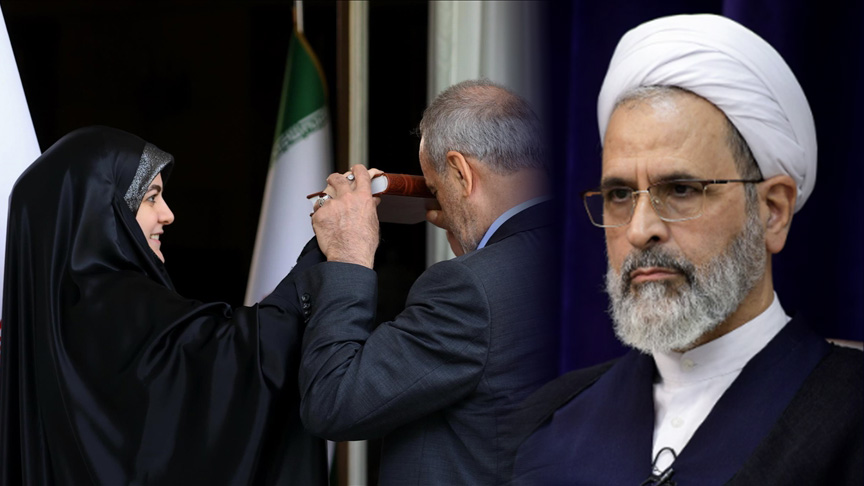
Iranian authorities have moved quickly to establish an interim leadership structure following the reported death of Supreme Leader Ali Khamenei. Officials confirmed that senior cleric Alireza Arafi has been appointed to serve on the country’s temporary Leadership Council.
Iran has activated its constitutional succession plan following the death of Supreme Leader Ali Khamenei. Cleric Alireza Arafi has been appointed to the interim Leadership Council, which will govern temporarily while the Assembly of Experts selects a permanent successor.
Iran names cleric Alireza Arafi to temporary leadership council after supreme leader’s death
The announcement was made by Mohsen Dehnavi, spokesperson for the Expediency Discernment Council, who said the decision was taken in line with Article 111 of Iran’s constitution. The provision outlines the procedure for maintaining governance when the position of supreme leader becomes vacant.
Interim leadership structure
Under the constitutional mechanism, a three-member council assumes the duties of the supreme leader until a permanent successor is chosen. The interim body currently consists of:
-
President Masoud Pezeshkian
-
Judiciary chief Gholamhossein Mohseni Ejei
-
Clerical representative Alireza Arafi
Officials say the arrangement is intended to ensure continuity of state leadership while the Assembly of Experts begins the process of selecting a new supreme leader.
Legal basis and next steps
According to Dehnavi, the temporary council will manage the supreme leader’s responsibilities only for a limited period. The Assembly of Experts — the constitutional body tasked with choosing Iran’s top leader is expected to convene to elect a permanent successor “as soon as possible.”
State media described Arafi’s selection as a step aimed at maintaining institutional stability during the transition.
Mixed public reactions in Tehran
Reports from Tehran indicated varied public responses following the announcement of Khamenei’s death.
Some residents were seen celebrating late Saturday night with music, whistles and fireworks, according to videos circulated by international news agencies. However, large gatherings appeared limited, reportedly due to concerns following a recent crackdown on anti-government protests.
Elsewhere in the capital, groups of mourners gathered in Enghelab Square dressed in black, waving Iranian flags and holding portraits of the late leader. State television also announced a 40-day national mourning period along with several public holidays.
Uncertain political transition
The coming weeks are expected to be closely watched both inside Iran and internationally as the Assembly of Experts begins deliberations over the country’s next supreme leader. Until that process concludes, the interim Leadership Council is set to oversee the supreme leader’s constitutional duties.