Trump targets Somali-American community with controversial remarks
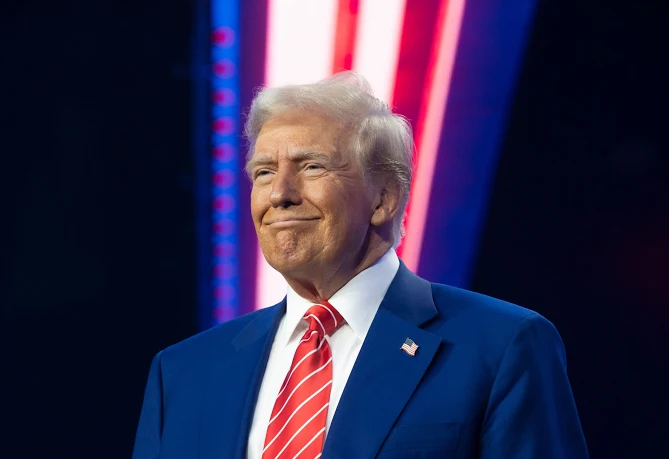
During a televised Cabinet meeting, U.S. President Donald Trump repeated hostile and discriminatory remarks targeting the Somali-American community, describing them as “trash” and urging them to “go back” to their countries. He specifically singled out Congresswoman Ilhan Omar, despite her decades-long residency in the U.S.
U.S. President Donald Trump has once again drawn widespread criticism for making offensive and discriminatory remarks aimed at the Somali-American community. Speaking at the conclusion of a televised Cabinet meeting, Trump referred to Somali immigrants as “trash” and suggested they should not be welcomed in the United States.
In his remarks, Trump described Somali immigrants as coming from “a place that produces nothing” while “complaining constantly” and urged them to “return to their countries and fix them.” Vice President JD Vance was present at the meeting and reportedly supported Trump’s statements.
Trump also specifically targeted Congresswoman Ilhan Omar, a Somali-American representative from Minnesota, calling her trash” despite her decades-long residence in the United States and her active role in American politics. Omar’s spokesperson, Jacklyn Rogers, responded by saying that the Congresswoman sees Trump’s comments as “deeply troubling” and hopes he receives the help he needs.
The comments have been widely condemned by political leaders and advocacy groups as an attack on the dignity and contributions of Somali-Americans. Many in the community view the remarks as part of a broader pattern of anti-immigrant rhetoric by Trump, aimed at rallying his political base by exaggerating immigration issues during times of political or legal pressure.
Observers note that Trump has faced recent scrutiny over rising inflation and legal investigations related to incidents in the Caribbean region, factors that may have influenced his focus on immigration in public statements.
For Somali-Americans, the remarks are seen as another affront to their rights and their vital role in the U.S., highlighting ongoing tensions surrounding immigration, race, and political discourse in the country. Community leaders have called for calm, resilience, and continued engagement in civic and political life despite the controversy.